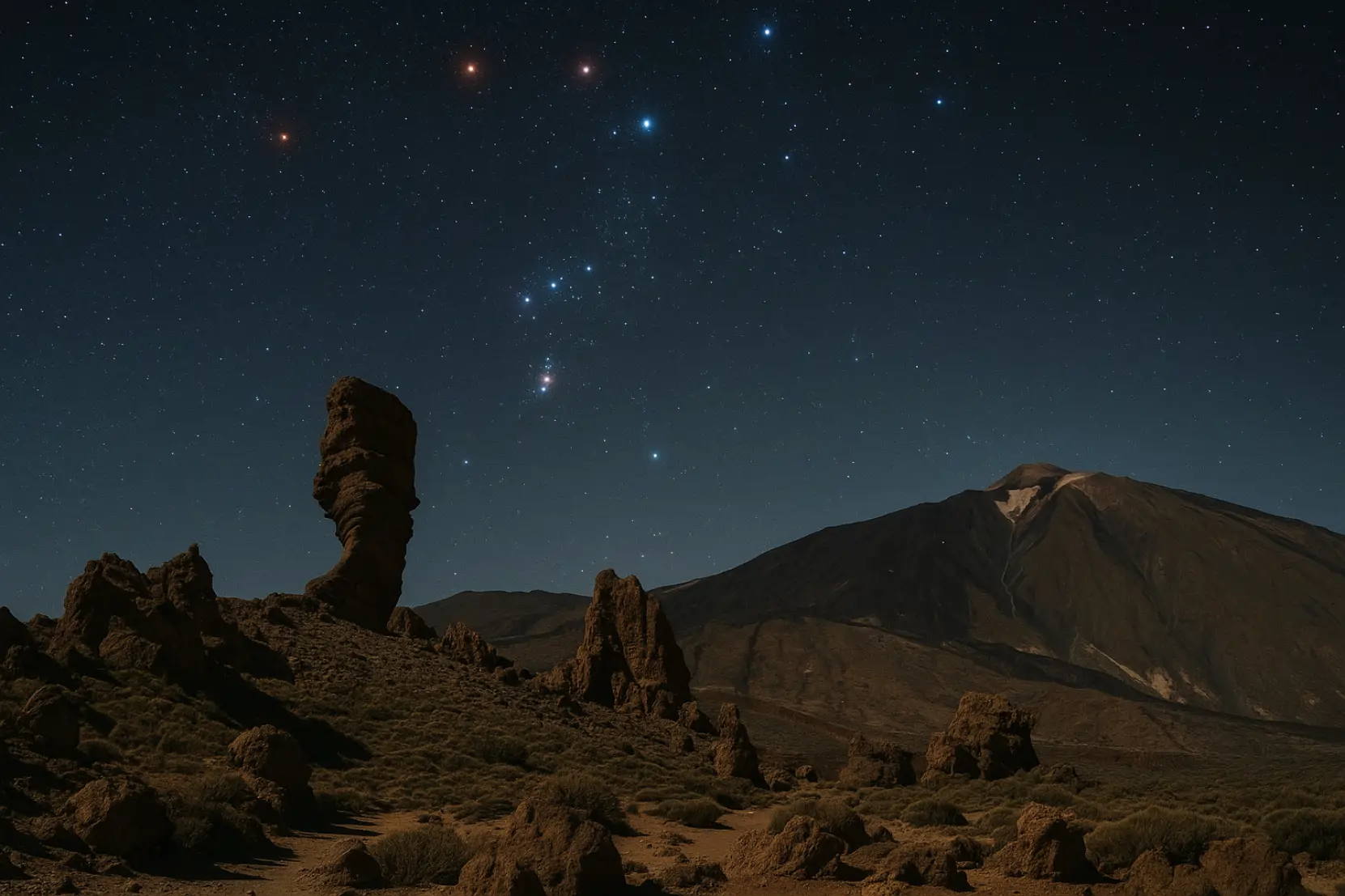
The Orion constellation is one of the most iconic and recognisable star patterns in the northern hemisphere. From its bright supergiants to its famous three-star belt, Orion has inspired mythology, science and navigation for thousands of years. Yet, there is no place where it shines quite as spectacularly as in Las Cañadas del Teide, the high-altitude volcanic caldera in Tenerife. Thanks to its pristine atmosphere, low humidity and status as a Starlight Reserve, the Teide National Park offers one of the clearest views of Orion anywhere in Europe. Making it one of the best destinations for stargazing Tenerife experiences.
Whether you are an astronomy enthusiast or simply curious about the night sky, this guide will help you understand what makes the Orion constellation so special, why it has captivated civilisations for millions of years, and why Tenerife is the ideal place to witness its beauty through a dedicated stargazing tour.

What Makes the Orion Constellation So Special?
A recognisable shape visible to the naked eye
One of the reasons people instantly recognise Orion is its distinct pattern, easily visible with the naked eye. At its centre lies the iconic straight line of three bright stars, Alnitak, Alnilam and Mintaka, which form Orion’s Belt. These stars are part of the Orion OB1 association, a massive star system of young and luminous stars.
The simplicity of this alignment makes it easy for beginners to find Orion, while its richness makes it endlessly fascinating for experienced stargazers. From Tenerife’s high volcanic plateau, these stars appear even sharper and more vibrant.
Home to extraordinary astronomical objects
Orion hosts some of the most impressive celestial objects visible from Earth:
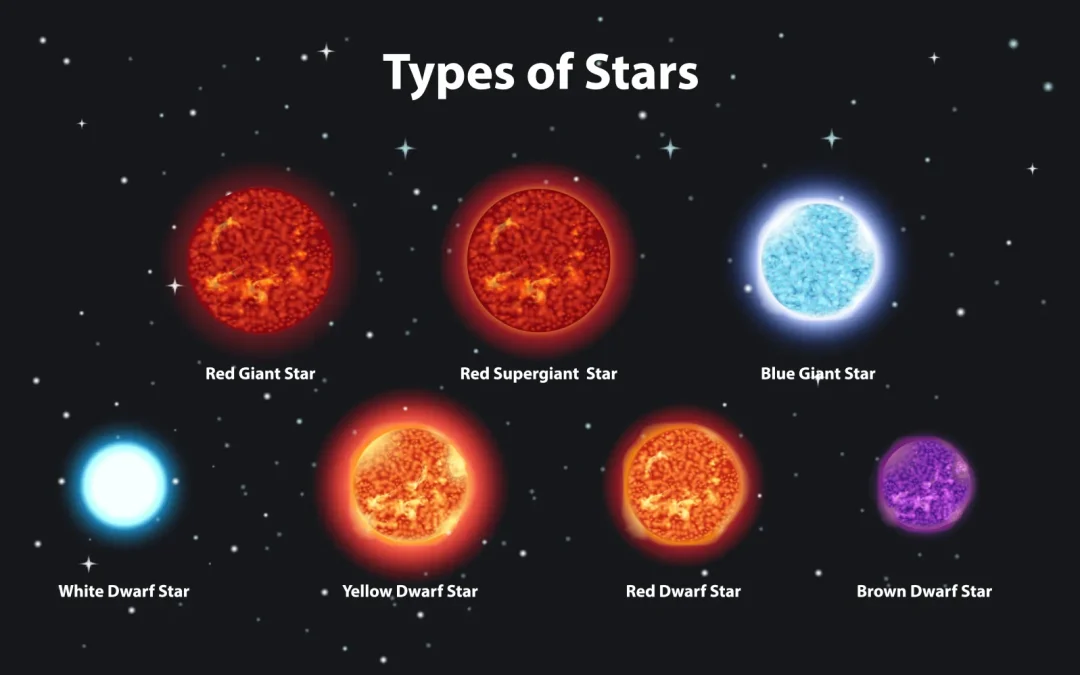
- Betelgeuse (Alpha Orionis) – a red supergiant located roughly 550 light years away.
- Rigel – the brightest star in Orion and a stunning blue-white blue giant.
- The Orion Nebula (M42) – a star-forming region about 2,000 light years from Earth.
- The Horsehead Nebula – a distinctive dark nebula near Alnitak.
- Barnard’s Loop – a vast arc of glowing hydrogen gas.
These wonders have formed over a million years, shaping the constellation into one of the richest regions of the night sky. Observed through telescopes on Teide, these objects reveal detail and colour rarely seen elsewhere in Europe.
A constellation steeped in mythology
In Greek mythology Orion, the Hunter was a giant of extraordinary strength. The arrangement of the constellation—his shoulders, belt and sword—reflects ancient interpretations of cosmic order, heroism and the passage of seasons. Other cultures, from the Egyptians to Indigenous groups, also incorporated Orion into their cosmology, often viewing the bright stars as warriors, gods or spiritual guides.
Where Is Orion Located in the Sky?
Position on the celestial equator
Orion sits on the celestial equator, making it visible from both the northern and southern hemisphere. This universal accessibility contributes to its fame. Because of its central location, Orion plays a key role in guiding observers to other major constellations and bright stars across the sky.
The view from Tenerife’s Teide National Park
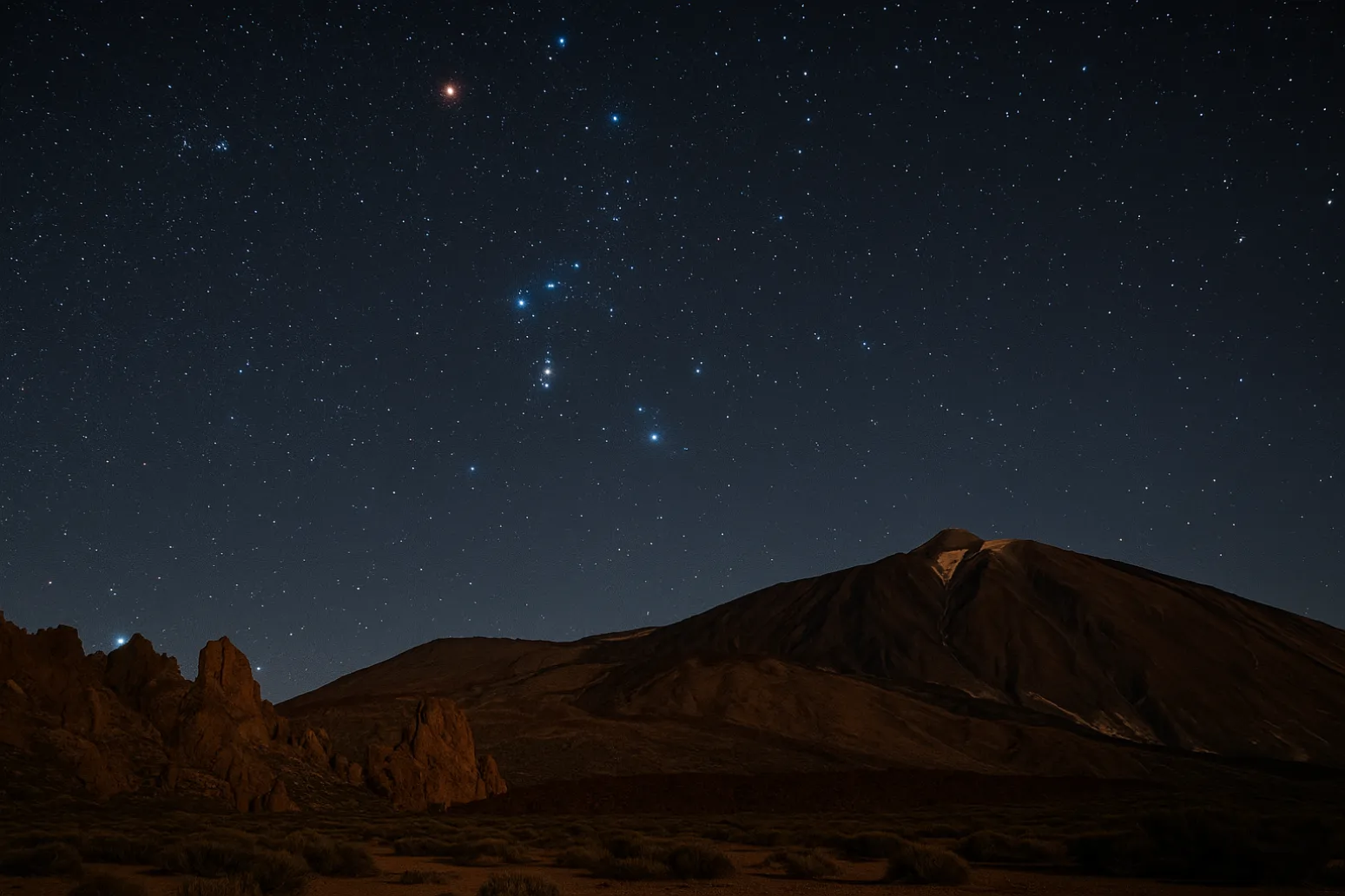
When Orion rises above the volcanic silhouettes of Teide during the winter months, the view is nothing short of breathtaking. Tenerife’s exceptional sky quality, protected by law, ensures minimal light pollution and stable atmospheric conditions.
Here, the bright stars of Orion sparkle vividly, and even faint nebulae such as the Horsehead Nebula become visible through professional telescopes.
During peak season (December–February):
- Rigel shines brilliantly low in the southern sky
- Orion’s Belt appears perfectly aligned
- The Orion Nebula is easily observed, even with small instruments
This makes Las Cañadas del Teide a world-renowned location for astronomy tourism.
Which Zodiac Does Orion Represent?
Interestingly, Orion does not correspond to any zodiac sign. It lies close to the ecliptic, but not within the band traditionally used for zodiac constellations. However, it has long been associated with seasonal change:
- When Orion becomes visible at sunset → winter is arriving.
- When Orion disappears from the evening sky → summer is approaching.
This seasonal rhythm played a crucial role in agriculture and navigation across ancient cultures.
Why Is Orion’s Belt So Important?
A guide for navigation and astronomy
The three aligned stars—Alnitak, Alnilam and Mintaka—are collectively known as Orion’s Belt. They are vital markers in the night sky, helping observers locate numerous objects:
- Extending the belt eastward points toward Sirius, the brightest star in the night sky.
- Extending it westward leads to Aldebaran in Taurus. Even today, stargazers use Orion’s Belt as a reference for navigating the heavens.
Astrophysical significance
These stars are exceptionally hot, young and massive. Their shared origin offers astronomers insight into how star systems form and evolve. Their luminous power also illuminates nearby nebulae, including the Horsehead Nebula and the Flame Nebula.
Cultural and symbolic meaning
Throughout history, the brightest star in Orion—Rigel—along with Betelgeuse and the belt stars, formed the basis of myths, alignments of temples and even funerary structures. Their importance in archaeology underscores how Orion has shaped human understanding of the cosmos.
Why Does Orion Disappear in the Summer?
Orion is known as a winter constellation because Earth’s orbit positions it behind the Sun during summer months. This means:
- Orion rises during daylight
- Sets during daylight
- And cannot be seen in the northern hemisphere summer
It reappears in the early morning sky around October and becomes fully visible by late November, signalling the beginning of the winter stargazing season in Tenerife.
The Closest Constellation to Earth
While constellations are not literal objects at set distances, the Orion Nebula, located within the constellation, is one of the nearest large star-forming regions to Earth—approximately 2,000 light years away.
This proximity contributes to its impressive brightness and makes it an essential target for astronomers and astrophotographers around the world.
Observing the Orion Constellation From Tenerife
Few locations on Earth offer a clearer or more spectacular view of Orion than Las Cañadas del Teide. Its high altitude, protected skies and unique atmospheric conditions allow observers to see:
- The glowing wings of the Orion Nebula
- The dark silhouette of the Horsehead Nebula
- The contrasting colours of Rigel and Betelgeuse
- The symmetry of Orion’s Belt
- And countless young stars forming deep within the constellation
Whether through binoculars or state-of-the-art telescopes, Orion becomes a window into the birth and death of stars.
Experience Orion Up Close With Teide By Night
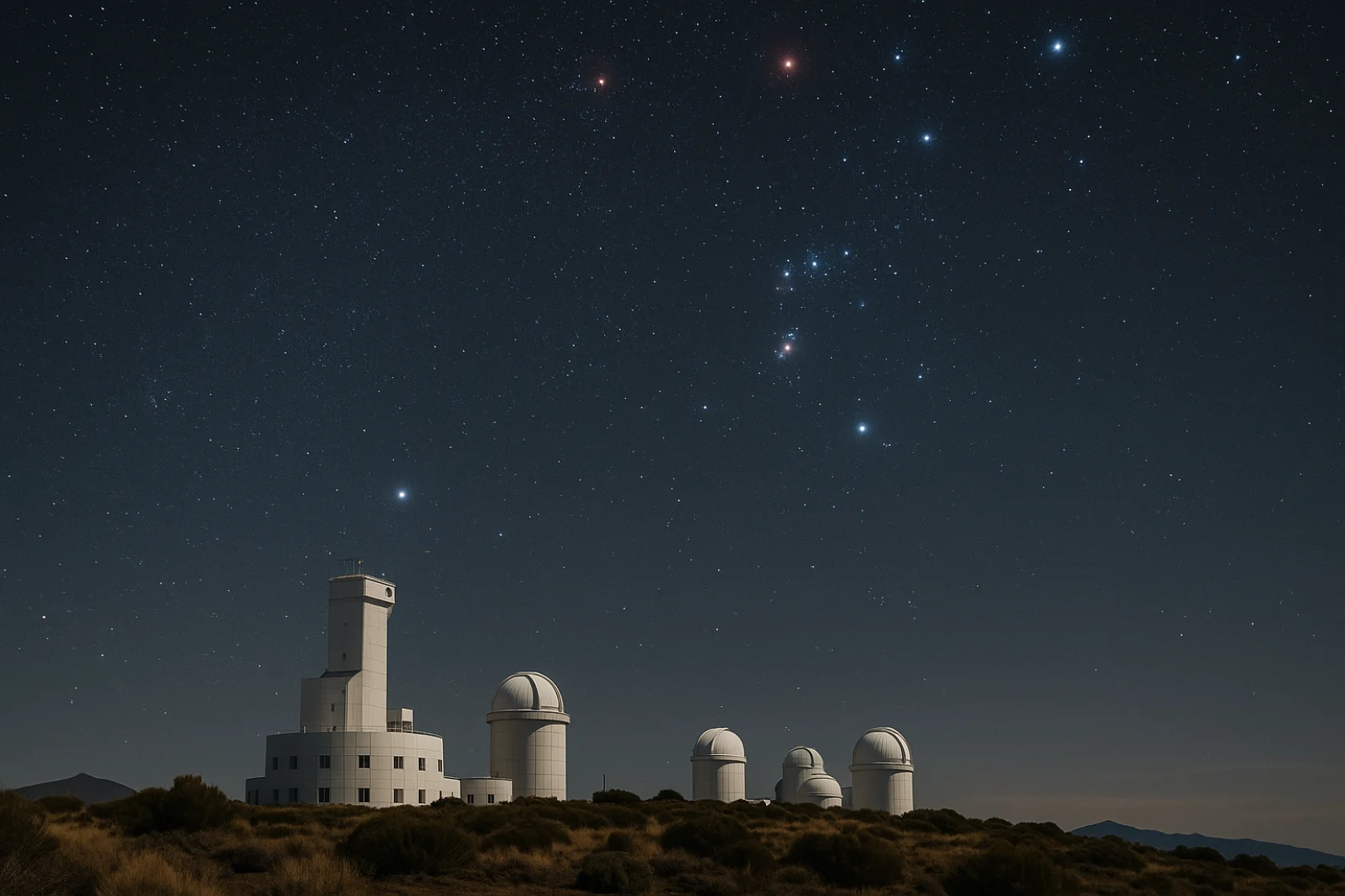
If you want to witness the Orion constellation in all its splendour, there is no better place than Teide National Park in Tenerife—and no better way than joining our Teide By Night Stargazing Tour.
What you will enjoy:
- Expert astronomy guides
- Professional telescopes
- Observation of Orion, the Pleiades, Taurus and more
- A protected Starlight sky free of light pollution
- Comfortable transport
- An unforgettable night above the clouds
👉 Book your Stargazing Tenerife experience now:
https://www.teidebynight.com/
Discover the Orion constellation as it was meant to be seen—vast, luminous, and alive with cosmic history.